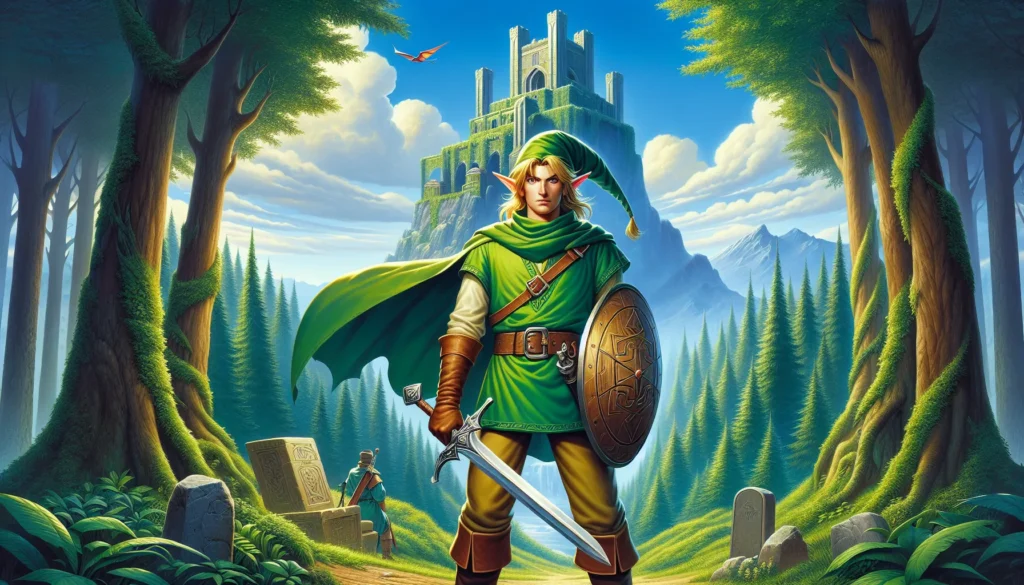
In a world where gaming legends are born, few titles shine as brightly as The Legend of Zelda series. For decades, this iconic franchise has captured hearts and minds, taking players on epic quests filled with adventure, puzzles, and a sprinkle of magic. But amidst the treasure chests and dungeons, one game stands tall as the best-selling gem in the series, leaving fans wondering what makes it so irresistible.
Overview of Zelda Franchise
The Legend of Zelda franchise has significantly shaped the gaming industry since its debut in 1986. Combining action-adventure gameplay with puzzle-solving elements, each installment offers a unique experience. Players often explore vast worlds, undertaking quests to save Princess Zelda and defeat the antagonist, Ganon.
Multiple titles within the series have achieved critical acclaim, contributing to its iconic status. The franchise’s innovative mechanics and compelling narratives attract diverse audiences. Various games experiment with open-world exploration, creating immersive environments where players can engage freely.
In terms of sales, the franchise consistently ranks among the best-selling series in video game history. Titles like The Legend of Zelda: Breath of the Wild garnered immense praise, earning several Game of the Year awards. This game showcases the franchise’s evolution, combining classic elements with modern gameplay dynamics.
Legacy plays a vital role in the franchise’s ongoing popularity. Each release builds on its predecessors while introducing new concepts, ensuring that dedicated fans remain engaged. Merchandise, spin-offs, and adaptations further expand its reach, solidifying its standing in popular culture.
Overall, the Zelda franchise’s blend of adventure, engaging storytelling, and continuous innovation creates an appealing experience for players. Its enduring legacy and influence on the gaming landscape reflect the franchise’s significant impact, maintaining interest across generations.
Criteria for Best Selling Games

Several factors determine the best-selling status of games in the Zelda franchise. These include sales numbers and critical acclaim, which highlight a game’s impact and popularity among fans.
Sales Numbers
Remarkable sales figures often signify a game’s success. The Legend of Zelda: Breath of the Wild, for instance, has surpassed 30 million copies sold globally since its release in 2017. Other titles within the series, such as The Legend of Zelda: Twilight Princess and The Legend of Zelda: Ocarina of Time, also achieved impressive sales, contributing to the franchise’s reputation. Tracking sales across platforms reveals trends in consumer preferences and the lasting appeal of the series. Such numbers reinforce the franchise’s strength in the gaming market.
Critical Acclaim
Critical reception plays a vital role in a game’s best-selling status. The Legend of Zelda: Breath of the Wild scored a 97 on Metacritic, making it one of the highest-rated games on the platform. It received numerous accolades, including multiple Game of the Year awards. Many critics praise its open-world design, innovative mechanics, and rich storytelling. The franchise consistently attracts positive reviews, with various installments earning ‘masterpiece’ ratings over the years. Critics’ appreciation correlates with commercial success, driving both initial sales and long-term popularity.
Best Selling Zelda Game
The Legend of Zelda: Breath of the Wild stands as the franchise’s best-selling title, with over 30 million copies sold globally since its 2017 launch. The game’s innovative mechanics and expansive world have captivated both new players and longtime fans.
Key Features
Exploration defines Breath of the Wild, where players roam a vast open-world environment. Freedom is another hallmark; players can tackle challenges in any order, enhancing replayability. A robust cooking system allows for health boosts and stat enhancements. Customization through gear and abilities enriches gameplay, catering to varying playstyles. Engaging in combat against diverse enemies keeps interactions fresh.
Gameplay Mechanics
Breath of the Wild emphasizes adventure and creativity. Players utilize a variety of weapons and tools, adapting strategies as needed. The use of physics-based mechanics allows for inventive solutions to puzzles and challenges. Climbing, gliding, and gliding encourages exploration and resourcefulness. Dynamic weather systems impact gameplay, requiring players to adapt to changing conditions.
Art and Design
Visuals in Breath of the Wild present a stunning, cel-shaded style that enhances the game’s fantasy atmosphere. The art direction creates a vibrant world filled with unique landscapes, from lush fields to rugged mountains. Character designs balance familiarity with fresh interpretations, making both Link and Zelda stand out. Subtle details enrich the environment, encouraging players to explore every nook and cranny. Overall, the art and design contribute significantly to the immersive experience.
Impact on Gaming Community
The Legend of Zelda: Breath of the Wild significantly transformed the gaming landscape since its release. Gamers praised its open-world structure, fostering exploration and creativity, which influenced game development across various genres. Developers now prioritize player freedom, inspired by the innovative mechanics that Breath of the Wild introduced.
Community engagement remains vibrant, with fans participating in online discussions and sharing gameplay experiences. Social media channels and platforms like Twitch amplify connections among players, resulting in active communities dedicated to sharing tips and strategies. This level of interaction strengthens the bond between the franchise and its fanbase, enabling collaboration and shared excitement.
Players appreciate the storytelling and immersive worlds crafted in the Zelda series. Recurring themes, such as heroism and adventure, resonate deeply, encouraging engagement with narratives that expand across titles. Each installment serves as a catalyst for fans to revisit past games, exploring connections and underlying story arcs.
Merchandising also plays a significant role in maintaining the franchise’s presence. Collectibles, clothing, and themed merchandise nurture a sense of belonging among fans. These tangible connections to the game reinforce loyalty and foster enthusiasm.
Innovation continues to define the Zelda series. Each new title incorporates advanced technology and design principles, setting benchmarks for future game development. The emphasis on detailed graphics, dynamic gameplay, and player agency shapes industry standards.
Cultural impact is evident as well, with references to Zelda permeating various media. TV shows, movies, and art often pay homage to the franchise, reflecting its influence beyond gaming. Recognition in popular culture expands its audience, attracting newcomers eager to explore its legacy.
Maintaining relevance over decades, The Legend of Zelda series demonstrates an ability to adapt while staying true to its roots, solidifying its status as a pillar within the gaming community.
Conclusion
The Legend of Zelda: Breath of the Wild stands as a testament to the franchise’s remarkable evolution and enduring appeal. Its innovative gameplay mechanics and captivating world have not only attracted millions of players but also set new standards in game design. This best-selling title has redefined adventure gaming, showcasing the series’ ability to blend nostalgia with fresh experiences.
As the Zelda franchise continues to thrive, the legacy of Breath of the Wild will undoubtedly influence future installments and inspire new generations of gamers. The community’s passion and engagement ensure that the magic of Zelda will live on, keeping the spirit of adventure alive for years to come.