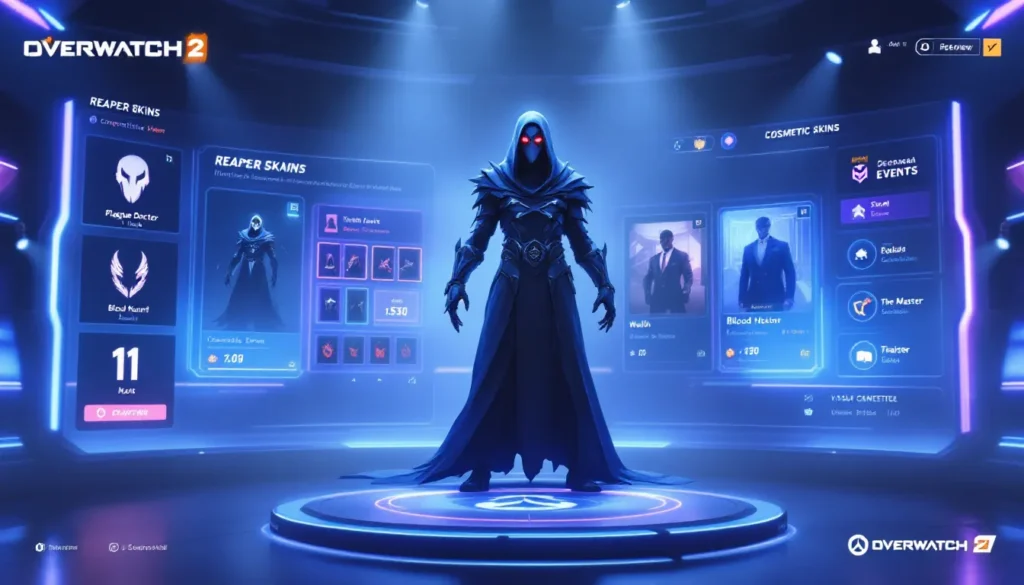
Reaper’s got some of the most visually striking skins in Overwatch 2, and picking the right one goes beyond just looking cool, it can actually affect how you feel playing the character. Whether you’re hunting for that perfect legendary or trying to maximize your credits, understanding what’s available and why certain Reaper skins hit harder than others matters. This guide breaks down every Reaper skin currently available, from the absolute tier-defining legendaries to those rare gems that slip under the radar. We’ll cover how to get them, what makes them worth it, and which ones align with different playstyles and budgets. By the end, you’ll know exactly which Reaper skin fits your setup, and your wallet.
Table of Contents
ToggleKey Takeaways
- Overwatch Reaper skins range from affordable rare cosmetics (250 credits) to premium legendaries (1,900 credits), allowing players to find options that match their budget and playstyle preferences.
- Iconic legendary Reaper skins like Wraith, Plague Doctor, and The Master prioritize visual clarity and competitive readability, making them strong choices for ranked play over flashier alternatives.
- Choosing the right Reaper skin should balance aesthetics, visual readability in competitive modes, and long-term value—tactical designs suit close-range playstyle while thematic skins enhance immersion.
- Limited-time event skins rotate seasonally with Halloween exclusives like Plague Doctor and Pumpkin Reaper guaranteed to return annually, so planning credit spending around seasonal rotations prevents year-long regrets.
- Epic skins offer solid value at approximately one-quarter the cost of legendaries, providing noticeable visual upgrades without unique weapon models—ideal for casual and mid-rank players.
- Monitor official Overwatch 2 seasonal announcements and shop rotations to prioritize event-exclusive Reaper skins before they rotate out, as permanent legendaries remain available indefinitely.
Understanding Reaper’s Cosmetic Collection
Reaper’s skin lineup spans from common cosmetics to event-exclusive legendaries, each with distinct visual identities. Unlike heroes with inconsistent aesthetic themes, Reaper maintains a coherent design language across his skins, dark, menacing, and tactically sharp. This consistency means almost every skin feels “on brand” while still offering variety.
What Makes a Great Reaper Skin
A great Reaper skin does three things: it looks intimidating, it reads clearly in-game, and it doesn’t clash with Overwatch 2’s overall aesthetic. Visual clarity matters more than you might think. In competitive play, you need to recognize Reaper instantly, whether it’s the silhouette, the weapon design, or how the skin animates. Some skins prioritize flashy effects over readability, which can actually work against you in high-pressure matches.
The best Reaper skins also complement his playstyle. Since Reaper thrives in close-quarters engagements, skins that emphasize his aggressive, tank-hunting nature resonate more with his kit. Sleek, predatory designs tend to feel more natural than, say, cartoony alternatives, though Overwatch 2 does occasionally push creative boundaries successfully.
Weapon design is another critical factor. Reaper’s shotguns are central to his identity, and legendaries typically feature unique weapon models. A great skin makes those shotguns look devastating, not like afterthoughts. You’ll notice this immediately when comparing standard skins to legendaries.
How to Unlock and Acquire Reaper Skins
Overwatch 2’s cosmetic system uses three primary methods to obtain skins:
Credits and Coins: Most skins, including legendaries, can be purchased directly using Overwatch Coins (paid currency) or Overwatch Credits (earned in-game). Legendaries typically cost 1,900 credits or 1,900 coins. Rares cost 250 credits, epics cost 500 credits. This is the straightforward path for players who don’t want to wait for seasonal rotations.
Seasonal Battle Pass: Each season includes cosmetics tied to the battle pass. Some Reaper skins appear exclusively in the free track, while others are in the premium (paid) track. If you’re a dedicated Reaper main, purchasing the seasonal pass guarantees you’ll snag that seasonal exclusive.
Event Exclusives and Legacy: Holiday events, crossovers, and special occasions rotate limited-time skins. These often return annually (like Halloween skins), but if you miss them, you’ll have to wait for the next rotation. A few older legendaries may be archived permanently, making them rarer if you didn’t secure them when available.
Note that players looking to accelerate their cosmetic progression can explore options like buying Overwatch accounts that already include rare skins, though earning skins through gameplay remains the standard approach.
Legendary Reaper Skins: The Top Tier
Legendary skins are the pinnacle of cosmetic design, featuring unique models, weapon reskins, and sometimes special effects or voicelines. For Reaper, legendaries feel genuinely transformative, they’re not just recolors.
Classic Legendary Skins
Wraith: This is arguably Reaper’s most iconic legendary and for good reason. Wraith features a sleek, spectral design with a ghostly blue-gray color scheme that perfectly matches Reaper’s death-themed abilities. The weapon models are distinctly menacing, featuring wraithlike details. Wraith’s silhouette is instantly recognizable even at range, making it a solid competitive choice. It’s been available since Overwatch 1, so it’s permanenty in the shop rotation. Cost: 1,900 credits.
Reaper (Plague Doctor): A Halloween-exclusive legendary that’s typically available every October. This skin transforms Reaper into a gothic plague doctor with a long coat, ornate mask, and period-accurate weapons. It’s visually distinct without sacrificing readability. The plague doctor aesthetic aligns beautifully with Reaper’s dark identity, and the skin has become a staple for players who time their purchases around seasonal events.
Reaper (Blood Hound): Another event-exclusive legendary tied to specific events or seasonal rotations. Blood Hound emphasizes Reaper’s predatory nature with a hunter-inspired design. Weapon models feature a rustic, intimidating aesthetic. This skin feels particularly impactful in competitive matches because the design language screams aggression.
Reaper (The Master): A legendary that draws inspiration from classic villain archetypes. The Master features an elegant but menacing design with refined details and premium weapon models. It’s a skin for players who want Reaper to look like an unstoppable force of nature rather than chaotic death incarnate.
Recent and Event-Exclusive Legendaries
Recent legendaries in 2025-2026 continue the tradition of thematic event ties. Overwatch 2’s seasonal content cycle means new legendaries drop roughly every few seasons, often tied to crossovers, lore updates, or major Overwatch storytelling beats.
Speaking with recent patch notes (Patch 1.68+), the cosmetic lineup has remained relatively stable, with older legendaries staying permanently available and new ones rotating through seasonal events. According to coverage on gaming news sites like IGN, Overwatch 2’s cosmetic strategy emphasizes character consistency, meaning all Reaper legendaries maintain his dark, tactical vibe.
If you’re targeting specific event-exclusive legendaries, monitor the seasonal shop rotation. Most limited-time Reaper legendaries return annually, so missing one season doesn’t mean permanent loss, just a year-long wait.
Epic and Rare Reaper Skins Worth Your Credits
Not every worthwhile skin requires legendary investment. Epics and rares offer solid visual upgrades at a fraction of the cost, and some genuinely compete aesthetically with legendaries, just without the unique weapon models or special effects.
High-Impact Epic Skins
Epic skins cost 500 credits and feature model changes and color repaints, but no weapon reskins. For Reaper, several epics punch above their weight class.
Formal: A dapper, suit-and-tie epic that subverts Reaper’s dark theme with unexpected elegance. While it doesn’t feel “competitive” in tone, Formal is instantly recognizable and looks surprisingly sharp in-game. It’s a personal preference pick, not a performance advantage, but it proves epics can be visually compelling.
Pumpkin Reaper: A Halloween-themed epic that’s typically available every October. It features Reaper in Halloween costume aesthetic without the premium pricing of the Plague Doctor legendary. If you can’t justify legendary cost, Pumpkin Reaper delivers seasonal charm for half the price.
Cosplay Reaper: Various epics tie into crossovers or themed events. These skins reference pop culture, anime, or gaming icons. They’re collectible if you’re into specific franchises and provide variety for players who switch up their cosmetic lineup regularly.
Epics offer solid value. You get noticeable visual changes for under 600 credits, roughly 1/4th the cost of legendaries. The tradeoff is no weapon reskin, but for casual and mid-rank players, that’s negligible.
Collectible Rare and Common Skins
Rares cost 250 credits and represent the sweet spot for budget-conscious players. While more limited in scope (mostly color variations on the base model), rares accumulate quickly and let you experiment with different aesthetics without major credit expenditure.
Reaper (Tan/Black variants): Base model recolors in different colorways. They’re not flashy, but they’re consistent, readable, and cheap. Perfect for new players stocking their hero roster.
Common skins (free rewards) are sometimes locked behind battle pass completion or special promotions. They’re cosmetic window dressing, but accumulating them feels rewarding for players grinding the seasonal pass.
Many players skip rares and commons entirely, jumping straight to epics or legendaries. But, if you’re spreading credits across multiple heroes or just starting to build Reaper’s cosmetic collection, rares give you respectable cosmetic variety without very costly. Combine two or three rares across seasonal rotations, and you’ve got legitimate loadout flexibility for a fraction of legendary cost.
Limited-Time and Event Skins
Overwatch 2’s event-driven cosmetic releases mean some Reaper skins are only available during specific windows. Understanding these rotations helps you plan credit spending and seasonal priorities.
Seasonal and Holiday-Themed Options
Halloween: Reaper dominates October cosmetics. Plague Doctor (legendary) and Pumpkin Reaper (epic) are guaranteed returns every Halloween. If you’re targeting these, mark your calendar for late September/early October when the shop rotates. Halloween skins maintain Reaper’s dark aesthetic naturally, making them feel thematically appropriate year-round (even though wearing a Plague Doctor skin in July might feel odd thematically).
Lunar New Year: Occasional Reaper cosmetics tie into Lunar New Year events, though these are less consistent than Halloween. When available, they typically feature vibrant colorways and thematic weapon designs. These tend to be one-off or semi-annual releases rather than guaranteed yearly returns.
Winter Holidays: December brings holiday-themed cosmetics across the roster. Reaper’s winter skins (if available) typically maintain dark aesthetics while incorporating seasonal elements. Expect these to return annually, usually mid-December through early January.
Event-exclusive skins create artificial scarcity. Missing a seasonal window means waiting a full year for rotation. Plan ahead: if there’s a specific event skin you want, prioritize credits before the season ends.
Crossover and Special Event Skins
Crossovers have become increasingly common in Overwatch 2. These tie Reaper into other franchises or special Blizzard promotions. Recent examples include cosmetics tied to lore events, collaborations with other gaming properties, and special promotional drops.
Crossover skins are unpredictable in rotation and availability. Some return annually, others are one-time exclusives. Documentation on gaming news sources like Game Rant occasionally covers upcoming crossover announcements, so following official Overwatch channels or gaming journalism keeps you informed.
Special event skins also include anniversary cosmetics, tournament-related drops, and lore-driven releases. These often feel premium even though potentially costing standard legendary prices because they tie into specific Overwatch 2 storylines or competitive moments.
For example, recent story events have introduced thematic legendary skins that feel narratively significant. If you’re invested in Overwatch’s lore, these limited-time drops offer cosmetics that feel like canon rewards rather than generic cosmetics. Coverage from outlets like Twinfinite often highlights which skins are releasing soon and which events are approaching, making it easier to plan purchases.
Tips for Choosing Your Perfect Reaper Skin
With dozens of options available, narrowing down your perfect Reaper skin requires balancing aesthetics, playstyle, budget, and long-term value.
Aesthetic Preferences and Playstyle Synergy
First, ask yourself what Reaper means to you. Is he a tactical assassin? A supernatural harbinger? A brooding antihero? Your answer shapes which skins resonate.
Tactical players gravitate toward skins like Wraith or The Master, designs that emphasize precision and predatory instinct. These skins feel aligned with Reaper’s close-range burst damage playstyle. When you’re positioning for a ultimate combo or flanking a backline, these skins psych you into the right headspace.
Players who enjoy Reaper’s thematic darkness (literally, his lore and abilities) might prefer Plague Doctor or Blood Hound, skins that fully commit to supernatural or dark-fantasy aesthetics. These feel immersive even during casual matches.
Inform your choice by how much you actually play Reaper. One-trick mains justify premium legendaries. Players who swap between heroes might prioritize getting one solid epic (like Formal) and rotating through battle pass cosmetics. Your mileage on a $19 purchase changes dramatically depending on playtime.
Readability matters more in competitive modes. If you’re grinding ranked, test skins in Quick Play first. Does the silhouette read clearly? Can enemies instantly identify you as Reaper? Flashy skins sometimes sacrifice that clarity. In competitive Overwatch 2, being unmistakable is an asset.
Budget Considerations and Value
Establish your cosmetic budget upfront. Are you spending $20 monthly? $50 annually? Once you know your number, allocate strategically.
High-value paths:
- One legendary per year (1,900 credits = roughly $20)
- 2-3 epics per season (500 credits each = ~$10-15)
- Fill remaining slots with battle pass cosmetics
This balanced approach gives you variety without overspending. You’ll hit the next seasonal event with fresh cosmetics ready, and you’ll have at least one premium legendary feeling cool.
Budget-conscious paths:
- Focus on seasonal battle pass cosmetics
- Buy one epic every season
- Skip legendaries unless a specific skin truly calls to you
You’ll save credits while still maintaining visual variety. Rares accumulate naturally, and with cosmetics rotating seasonally, you’ll never feel like you’re missing out entirely.
Splurge-friendly paths:
- Collect multiple legendaries
- Buy all event-exclusive skins
- Maintain a rotating cosmetic lineup per hero
This requires consistent spending ($100+/year) but lets you experience Reaper’s full cosmetic range. If you’re financially stable and treat cosmetics as hobby spending like action figures or art, this approach maximizes satisfaction.
One practical consideration: if you’re serious about expanding your cosmetic collection long-term, exploring options like buying Overwatch accounts with established cosmetics could accelerate progress, though this bypasses the seasonal collection experience.
Always check the seasonal shop before spending. Limited-time skins might rotate out in days: permanent skins stick around indefinitely. Prioritize event-exclusives when they’re available. Missing a seasonal skin means year-long regret, while legendary skins you pass on today will be available next month.
Conclusion
Reaper’s cosmetic collection offers something for every budget, aesthetic preference, and competitive mindset. Whether you’re investing in a iconic legendary like Wraith, chasing seasonal exclusives, or building variety with epics and rares, the key is choosing skins that make you feel like you’re playing Reaper at his best.
Start by identifying which aesthetic resonates, tactical, supernatural, thematic, or experimental. Then allocate your credits based on playtime and budget. Seasonal rotations mean you’ll constantly have fresh cosmetics to chase, so there’s no perfect “final answer”, just the right choice for right now.
Keep an eye on seasonal announcements and event rotations. The cosmetic meta shifts every few months, bringing new limited-time options that might become your new favorite. The Reaper skin you’re sleeping on today might be exactly what you needed next season.