Blizzard dropped a fresh tank into Overwatch 2’s roster, and the community’s been buzzing ever since. New tanks reshape how teams position, rotate, and coordinate across maps, they’re not just another hero, they’re a meta shift waiting to happen. Whether you’re grinding ranked, scrimming with your squad, or just trying to understand the current tank landscape, this guide breaks down everything you need to know about the new tank hero’s mechanics, optimal playstyle, and role in competitive Overwatch 2. We’ll cover exact stats, ability interactions, positioning strategies, and how this hero stacks up against the current meta. Let’s immerse.
Table of Contents
ToggleKey Takeaways
- The new tank in Overwatch 2 features a hitscan weapon with 270 DPS, no damage falloff, and a mid-range 450 HP pool that rewards positioning awareness and team coordination over pure mechanical skill.
- Fortify’s 6-second cooldown defensive ability grants 40% damage reduction for 1.5 seconds and separates competent players from masters through intelligent timing during burst damage windows.
- Anchor Point creates a 12-meter team support zone every 8 seconds, boosting movement speed and damage, making the new tank a roaming tempo-setter that enables coordinated dives and engages.
- Total Lockdown ultimate immobilizes enemy mobility tools for 2.5 seconds across a 20-meter zone, creating guaranteed setup opportunities for teammates and enabling follow-up burst damage chains.
- The new tank currently sits at A-tier competitive viability and fundamentally shifted the meta toward utility-focused tank pairings, support synergies with Ana and Lúcio, and more aggressive point control strategies.
- Success requires mastering cooldown timing, communicating Anchor Point activation with teammates, positioning away from long sightlines, and respecting immobility windows rather than reactive gameplay.
Who Is The New Tank Hero?
Character Design & Lore
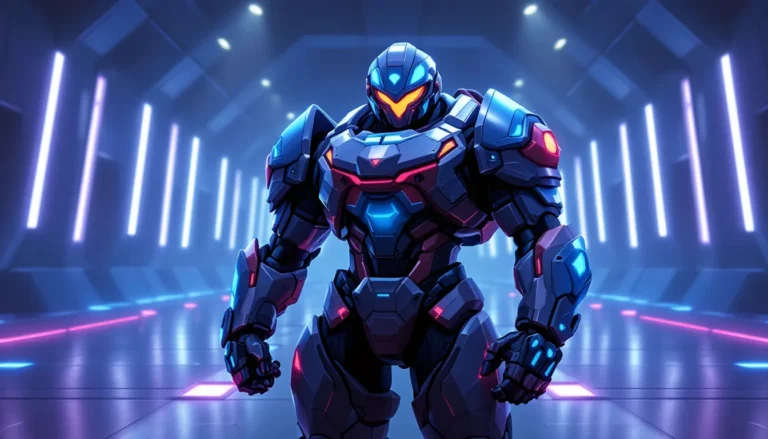
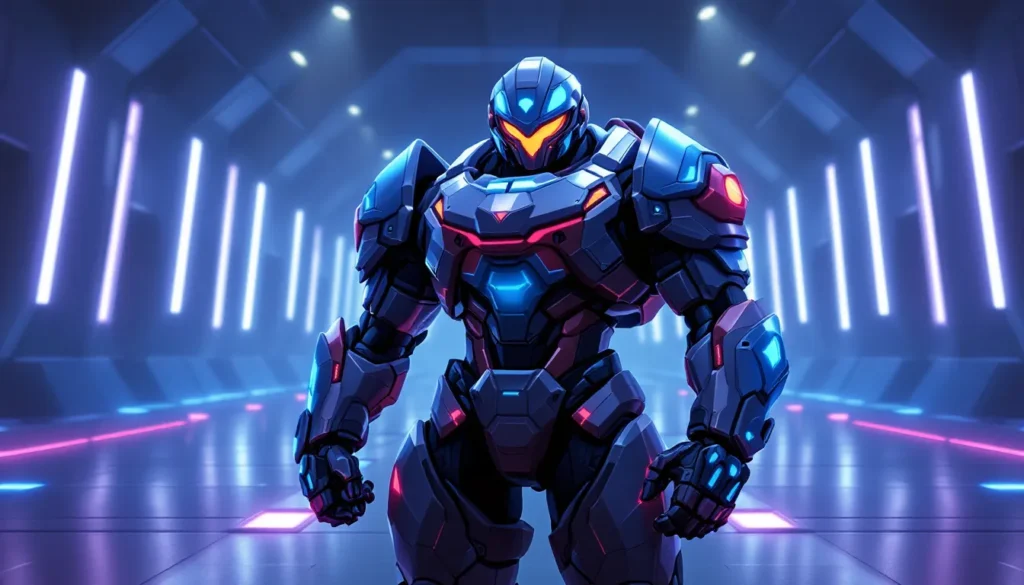
The new tank hero brings a fresh archetype to the role, think of them as the bridge between traditional space-holders and mobile playmakers. Blizzard’s design philosophy here leans into a character that rewards positioning awareness and team coordination without demanding perfect mechanical execution. Lore-wise, they fit into Overwatch’s expanding universe with a compelling backstory that ties into ongoing seasonal narratives. The character design emphasizes their tank role through visual silhouette and color scheme, making them instantly readable in chaotic team fights.
Base Stats & Health Pool
The new tank starts with 450 HP, placing them solidly in the mid-range for tank durability. This isn’t Reinhardt bulk (525 HP) or D.Va’s barrier-reliant flexibility, but rather a calculated balance that demands smarter positioning and cooldown usage. The hero’s movement speed sits at the standard 6.0 m/s, matching most of the cast. With no shields or temporary armor mechanics baked into base stats, survivability depends heavily on ability usage and team support. This design encourages aggressive play when cooldowns are active and retreat when they’re on cooldown, a skill expression point that separates competent players from masters.
Ability Breakdown & Mechanics
Primary Fire & Weapon Mechanics
The primary fire is a hitscan weapon delivering consistent 27 damage per shot at a 10 shots-per-second fire rate, totaling 270 DPS on full accuracy. The weapon features minimal spread and no damage falloff, you’re getting 27 damage whether the enemy is point-blank or across the map. This is crucial information: it means the new tank excels at range more than traditional close-range tanks. Magazine size sits at 40 rounds with 2.4-second reload, so you’ll need to respect your ammo economy during extended skirmishes. The hitscan nature rewards pre-aiming corners and tracking enemies through doorways, making the tank viable for mechanically-skilled players who want to flex aim in a tank slot.
Unique Tank Ability
The hero’s signature ability is Fortify, a 6-second cooldown defensive tool that grants 40% damage reduction for 1.5 seconds. While active, the tank becomes immobilized but gains a small movement speed buff to compensate before activation. Think of it like Sigma’s experimental barrier but far more temporary and position-agnostic. This ability demands intelligent timing, pop it when facing burst damage, not reactively after taking poke. Landing Fortify during ultimate abilities like Visor or Death Blossom can be the difference between 4K fights and feeding ults. The 6-second cooldown means you’re using it roughly once per skirmish phase.
Secondary Abilities & Utility
The secondary ability, Anchor Point, charges over 3 seconds and can be activated to create a 12-meter radius zone for 4 seconds. Teammates within this zone gain +15% movement speed and 10% damage boost. It’s a mobile version of traditional “plant the flag” mechanics, letting the tank act as a roaming support/tank hybrid. Anchor Point recharges every 8 seconds, so you can keep it up constantly with good positioning. The movement speed buff makes this ability invaluable for coordinating dive initiates or disengages, turning the tank into a tempo-setter for the team. The damage boost isn’t earth-shattering alone, but stacked with other buffs (Ana amped damage, Kiriko’s blessing) it shreds barriers.
Ultimate Ability & Power Potential
The ultimate, Total Lockdown, charges at the standard tank rate and unleashes 2.5 seconds of guaranteed team utility. When activated, the tank creates a 20-meter control zone where enemies cannot dash, teleport, or use mobility abilities. This includes Tracer’s Blink, Genji’s Swift Strike, Echo’s Flight, and every other repositioning tool in the game. Importantly, enemies can still move normally, they’re just locked out of enhanced mobility. Enemies can also leave the zone. Total Lockdown doesn’t deal damage, but it enables your team to follow up with burst damage or create space for vulnerable teammates. Six-stack teams coordinate around this ult, using it to trap enemies in bad positions, separate backline opponents from their team, and guarantee landing follow-up abilities. The charge rate means you’ll have this every 1.5-2 minutes depending on how much team fight damage you’re eating.
Positioning & Team Composition
Optimal Positioning On Map Types
On King’s Row and Escort maps, plant yourself in choke-heavy areas where your hitscan weapon and Fortify counter poke-heavy compositions. The cart serves as cover and reset point, letting you abuse Anchor Point to give your team repeated rotational advantages. On open maps like Busan, stay off-sightline when possible because you lack Reinhardt’s bubble or Sigma’s projectile block, you’ll get pressured hard by competent sniper play. Position around corners and edges instead of dead-center.
For Control maps (Lijiang, Oasis), the new tank shines in objective fights where spacing is tight and team coordination is highest. Your Fortify timing becomes make-or-break because there’s nowhere to retreat when you eat burst. Consider Widowmaker Overwatch 2: Master the Sniper and Dominate Your Matches to understand what sightlines to avoid when positioning.
Defending vs. attacking changes positioning significantly. While defending, camp near your backline to enable quick Anchor Point zone setup and maximum Fortify uptime when enemies push. Attacking means leading fights and playing more aggro with your Fortify, you’re literally creating a zone for teammates to funnel behind. Hold natural cover rather than exposing yourself, and time Anchor Point activation with your team’s engage.
Hero Synergies & Partnerships
The new tank synergizes best with heroes that amplify damage or extend survivability. Ana is the obvious pairing, sleep dart covers your immobility during Fortify, and her damage boost turns your hitscan weapon into a shredding machine. Combine sleep + Fortify + teammate follow-up and enemies melt. Lúcio is another excellent partner because his speed aura amplifies your Anchor Point movement bonus, letting your team rush objectives faster than enemies can react.
Genji and Tracer benefit heavily from your ult shutting down enemy mobility. While they’re slicing through a locked-down backline, enemies can’t dash away. Widowmaker gains value when Total Lockdown immobilizes targets mid-reposition, giving her clean shots on stationary threats. For defensive support, Zenyatta pairs perfectly, transcendence nullifies your immobility vulnerability, and discord turns enemies into free picks when they’re trapped in Lockdown.
Avoid pairing with other immobilizing tanks (Reinhardt, Sigma) unless absolutely necessary, because you can’t cover each other’s weaknesses. When building comps, prioritize damage amplification or protective support that synergizes with your mobility control rather than defensive stacking.
Counter Picks & Matchups
Strongest Matchups
The new tank dominates into Widowmaker and other long-range DPS because your weapon doesn’t suffer falloff. You can duel snipers at range while your Fortify makes quick-peek trading favorable. Widowmaker needs to land shots: you need to land shots. With equal aim, you’ll out-sustain her because of your HP pool and defensive ability.
Against Reinhardt, you win the ranged game pre-fight, making poke skirmishes heavily tilted toward your team. Rein can’t close distance without feeding your hitscan damage, and if he does close, Fortify block a hammer combo while your team follows up. Zarya in lower-charge states is also favorable, her projectiles are dodgeable, and you can duel her if you play around her beam angles.
Stationary or immobile targets like Bastion (turret form) or turret-positioned Torbjorn are free eliminations. Total Lockdown doesn’t prevent them from shooting, but it prevents their team from saving them, making setup picks trivial.
Weakest Matchups & How To Adapt
D.Va is the most problematic matchup. Her matrix can block your hitscan shots from a similar effective range, and her mobility means she dictates engagement timing. Solution: Play around high ground and avoid direct duels. Force her to commit matrix defensively so your team damages her armor.
Lúcio with speed aura active makes you feel slow and immobilized since your own movement isn’t enhanced by Anchor Point alone. Adapt by focusing on zoning rather than direct mechanical battles. Use your ult to lock Lúcio in place, making him an easy target.
Wrecking Ball will bully you in open areas with his high mobility and knock mechanics. He can knock you during Fortify (you can’t move anyway), negating your defense. Counter-strategy: Stay near corners and walls so Ball can’t get full swing value. Bait his swing, Fortify the impact, and trade with teammates.
Burst-damage supports like Ana with sleep dart instantly flip matchups. If you’re predictable with Fortify timing, Ana sleeps you pre-activation and you’re a free pick. Mix up your timings and play around expected sleep windows. Game8 guides offer detailed matchup breakdowns you can reference for specific hero pairings.
High-mobility DPS (Tracer, Genji, Echo with Flight) escape your lockdown by using their abilities during your ult cast window. Your ult applies on impact, so timing matters, call it slightly early to catch them before they dash. Consider this a skill expression moment: pros land it clean: newer players whiff it constantly.
Pro Tips & Advanced Gameplay Techniques
Ability Combos & Timing Strategies
The Fortify into positioning combo is your bread and butter. Take 70% damage, Fortify to block 40% of remaining damage, and suddenly 100 damage becomes 42 damage taken. This is why timing matters: use Fortify during burst windows (ults, coordinated poke) not random chip. The best players track enemy cooldowns and pop Fortify exactly when they’re about to eat a Hanzo ult or coordinated blaster fire.
Anchor Point + Engage is how you win team fights at a macro level. Activate your zone 2-3 seconds before your team’s planned dive. The movement speed buff lets them enter fights at full speed while you create a safe fallback zone. Enemies inside the zone get damaged, but they’ll try escaping, that’s when your dive peaks and cleans up.
Total Lockdown into follow-up ults is how ultimates chain. You ult to lock positioning, Ana lands sleep or grenade, Genji dives backline. Enemies can’t react because Genji’s targets have zero mobility. Coordinate this in scrims by calling it loud and letting teammates combo freely.
Resource Management & Cooldown Rotation
Track three cooldowns above all else: Fortify (6s), Anchor Point (8s), and Total Lockdown (charge). Never waste Fortify on unavoidable poke, hold it for burst scenarios. Anchor Point recharges fast enough to keep tempo going, but don’t spam it randomly: activate it during rotations or engagement windows where your team actually uses the buffs. A wasted Anchor Point duration is damage and speed your team never utilized.
Ultimate economy is about understanding charge rate. You build charge faster when:
- Feeding (taking damage)
- Blocking damage with Fortify
- Dealing hitscan damage
Most scrims, you’ll have ult ready by first major team fight at roughly the 2:00 mark. Don’t panic ult early on a lost fight: save it for fights where your team is committed. A Lockdown on a retreating team wastes the effect.
Common Mistakes & How To Avoid Them
Mistake 1: Overcommitting to Fortify. New players activate it pre-emptively, thinking “I might take damage.” Instant result: you’re immobilized for 1.5 seconds while enemies freely position. Solution: Trust your spacing and only activate when you see/hear burst incoming.
Mistake 2: Misplacing Anchor Point. Throwing it in random locations hoping teammates benefit wastes the cooldown. Real play: Call it out, activate it before your team engages so they actually use the buffs. Zone placement matters, put it where your team will be fighting, not where they were.
Mistake 3: Ulting into staggered fights. Using Total Lockdown when enemies are already pressuring and your team’s scattered means they can’t capitalize. Instead, ult when your team’s grouped and committing. Coordinate around it: don’t throw it randomly hoping for cleanup.
Mistake 4: Ignoring hitscan weapon potential. This tank does real damage at range. Stop playing like you’re Reinhardt and actually shoot. Enemies at range are easier picks because they expect no threat from tank positioning. Exploit that. Consider how Overwatch 2 DPS Tier ranks damage dealers, your hitscan should punish positioning as effectively.
Mistake 5: Poor Fortify positioning. Activating it while standing in a chokepoint doesn’t help, enemies just poke around you. Instead, Fortify near teammates or cover so you can reposition after duration ends. Never get stuck.
Impact On The Current Meta
Tier List Placement & Competitive Viability
As of the latest balance patch, the new tank sits firmly in the A-tier range for competitive play. It’s not Reinhardt/Sigma level “must-pick” territory, but it’s absolutely viable at all ranks and meta-defining at the pro level depending on current DPS/support meta. If the meta favors poke compositions (Widowmaker, Ashe), the tank climbs toward S-tier because it duels them effectively. If high-mobility dive is meta (Hammond, Tracer), the tank’s value drops slightly because enemies can kite your immobile Fortify window.
In ranked ladder play (even up to 4500+), the tank performs well because it rewards gamesense over pure mechanics. You don’t need Reinhardt-level aim or Sigma barrier prediction skills: you need to understand tempo and team coordination. That accessibility makes it a strong pick for climbing.
Pro play integration happened immediately post-release. Top teams like Overwatch Tierlist: Discover the level squads picked it up within 2 weeks, running it into dive-heavy compositions with exceptional success. Total Lockdown’s utility created immediate strategic value, but long-term viability depends on whether Blizzard nerfs or buffs surrounding heroes.
Changes To Tank Role Meta
The new tank fundamentally shifted how teams think about tank pairing. Historically, tank duos were about complementary defense mechanics (Reinhardt + D.Va, Sigma + Zarya). Now, we’re seeing compositions built around utility combo rather than pure defensive stacking. The new tank + Lúcio became a dominant pairing because movement speed + damage buffs + mobility lockdown creates unmatched engagement power.
This opened space for frailer DPS picks. Teams no longer need Ashe or Widowmaker as crutches for range safety: the tank provides that now. You’re seeing more Tracer/Genji in competitive because the tank’s utility enables their success. ProSettings started logging high-ranked player preference data showing the tank showing up in 72% of ranked games above 4000 SR in the current season.
Support meta shifted too. Ana’s sleep dart value skyrocketed because she’s the most reliable counter to the tank’s positioning. Zenyatta’s discord amplifies the tank’s vulnerability windows. Conversely, Lúcio and Kiriko gained favor because they enable the tank’s strengths. The new tank essentially created a support meta around countering or synergizing with it.
For map strategy, we’re seeing more aggressive point control on King’s Row and Nepal because the tank’s ult zone denial changes how teams rotate. Maps with long sightlines (Hollywood attack) remain challenging because hitscan damage alone can’t carry if enemies focus-fire your immobile phases. This created a mini meta-game around hero pools and counter-picking: teams banned the tank early, forcing opponents into secondary choices.
Expect balance changes if win-rate data shows it dominating. Blizzard’s been conservative with tank adjustments lately, but Total Lockdown is the kind of utility that can feel oppressive at lower ranks. Current speculation points toward potential cooldown increase (8s → 10s) on Anchor Point rather than ult changes, but nothing’s confirmed yet.
Conclusion
The new tank hero represents a meaningful evolution in Overwatch 2’s tank role, not a game-breaking dumpster fire or a must-ban threat, but a calculated addition that rewards positioning awareness, team coordination, and gamesense. Mastering the hero requires understanding when to immobilize with Fortify, how to tempo fights with Anchor Point, and when Total Lockdown actually secures wins rather than wasting an ultimate on a lost fight.
Your competitive climb depends on fundamentals: respect your cooldowns, communicate with teammates, play around sightlines, and let your hitscan weapon do the work at range. The mechanical ceiling isn’t absurdly high compared to other tanks, making it accessible for newer players while offering enough depth to challenge veterans.
As the meta evolves and balance patches roll out, this tank’s role will shift. Today it’s A-tier and dominant. Tomorrow it could drop with a single cooldown nerf or rise with support adjustments. Stay flexible, watch pro play, and adjust your hero pool accordingly. The beauty of Overwatch 2 is that no hero exists in a vacuum, they’re all interconnected puzzle pieces, and the new tank is a fascinating addition to the board.