The Overwatch 2 meta is constantly shifting, and keeping up with which heroes are actually worth your time can feel overwhelming. Every patch brings balance changes, buffs, and nerfs that reshape the competitive landscape. Whether you’re grinding ranked, preparing for team competitions, or just trying to climb out of gold, understanding where each hero sits on the tier list isn’t just helpful, it’s essential. This comprehensive OW2 tier list breaks down every tank, damage hero, and support character into actionable rankings based on current patch data, win rates, and competitive viability. By the end of this guide, you’ll know exactly which heroes deserve your practice time and why some meta picks matter more than others.
Table of Contents
ToggleKey Takeaways
- An OW2 tier list ranks heroes from S-tier (strongest, most meta-defining) to B-tier and below based on win rates, pick rates, and competitive viability, but skill always beats tier placement.
- S-tier tanks like Reinhardt, Sigma, and Wrecking Ball dominate by enabling team plays and creating space, while A-tier options like D.Va and Zarya offer reliability without the same impact ceiling.
- Top DPS picks including Tracer, Genji, and Widowmaker excel through positioning, burst damage, and ultimate generation, with Tracer standing out for unmatched dueling potential and guaranteed kills on supports.
- Support heroes like Lucio, Ana, and Zenyatta win games through resource management and utility—Lucio’s Speed Boost enables aggressive plays while Discord Orb gives teams a 25% damage advantage.
- Master a three-hero pool per role (one S-tier, one A-tier, one comfort pick) rather than chasing every meta shift, since mechanics are permanent while the OW2 tier list and meta evolve monthly with patches.
- Watch patch notes obsessively and follow professional play for real-world validation of meta trends, as even minor number changes can shift entire tier rankings and reveal upcoming meta shifts on the PTR.
What Is An OW2 Tier List And Why It Matters
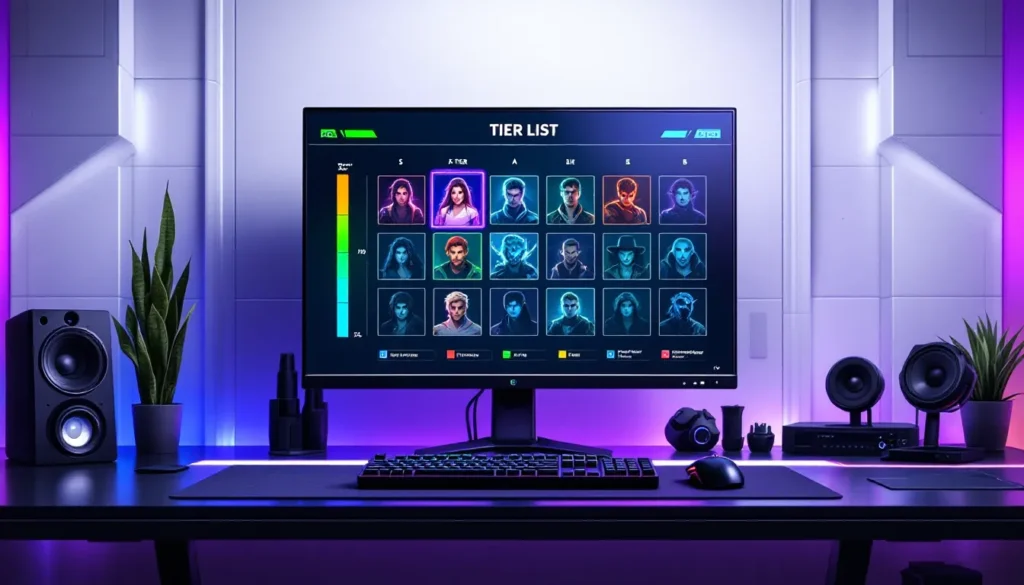
An Overwatch 2 tier list ranks heroes based on their current effectiveness in competitive play. Tiers typically run from S-tier (strongest, most meta-defining) down through A, B, C, and sometimes D-tier (situational or weak picks). But here’s the thing, a tier list isn’t gospel. It’s a snapshot of the current meta influenced by win rates, pick rates, professional play, and the patch cycle.
Why does this matter for you? Because picking the right hero significantly impacts your climb. An S-tier damage hero gives you better odds of winning team fights than a B-tier pick, assuming equal skill. That said, skill always beats tier list placement. A player who’s spent 500 hours on a B-tier hero will outperform someone grinding their first week on an S-tier character.
Tier lists also shift constantly. A hero might drop from S to A after a single patch, or climb back up if their counters get nerfed. The meta in 2026 isn’t the same as 2025, and it won’t be the same next month. Smart players use tier lists as a guide, not a religion.
Tank Tier Rankings
Tanks are the anchor points of any Overwatch 2 composition. They initiate fights, create space, and absorb resources the enemy team would otherwise spend on your backline. The tank meta right now demands heroes who can both lead fights and stay alive long enough to enable their team.
S-Tier Tanks
Reinhardt remains the most impactful tank in the current meta. His Barrier Field is unmatched for protecting allies, and Hammer Down ultimate creates guaranteed kills when positioned correctly. He’s not flashy, but he wins rounds. Sigma sits here too, his Accretion ability locks down key targets, his Kinetic Grasp absorbs lethal damage, and Gravitic Flux ulti turns fights instantly. At high SR (skill rating), Sigma’s ceiling is nearly unlimited.
Wrecking Ball rounds out S-tier for teams with good coordination. His Grappling Claw enables aggressive flanks, Roll gives him unmatched mobility, and Minefield denies entire areas. In organized play, he’s oppressive.
A-Tier Tanks
Dva brings a balanced kit: Boosters for positioning, Defense Matrix for clutch protection, and Self-Destruct ult sets up team kills. She’s not as meta-warping as S-tier options, but she’s reliable and flexible. Zarya thrives when her team enables her charging opportunities. High charge = massive damage and Graviton Surge becomes a delete button. The problem? She requires teammates to generate charge, making her matchup-dependent.
Junker Queen is gaining ground with her Jagged Blade harassment and Carnage ult that creates space. She’s strong into many comps but doesn’t have the consistency of S-tier tanks.
B-Tier And Below Tanks
Orisa struggles in the current meta. Her Fortify is good defensively, but she lacks the aggressive tools other tanks have. Doomfist is situational, incredible against scattered enemies, terrible into coordinated dives. Roadhog remains a one-trick ultimate that works in lower ranks but gets punished hard at GM. The tank meta heavily favors enablers over pure brawlers right now.
Damage Hero Tier Rankings
The DPS role has the widest variety of playstyles, but the Overwatch 2 meta heavily rewards positioning, ultimate generation, and burst damage. The best damage heroes right now are those who can secure picks and survive mistakes.
S-Tier Damage Heroes
Tracer is the gold standard for DPS. Her Pulse Bomb creates guaranteed kills on supports, Blink gives her unmatched dueling potential, and her Recall is the ultimate escape tool. She demands mechanics, but her impact is undeniable. Genji matches her mobility tier with Dash for rapid repositioning and Dragonblade that deletes entire teams if enemies cluster.
Widowmaker dominates high-skill games because of her headshot potential. One lucky hook kill shifts an entire fight. Reaper is S-tier in chaotic brawl-heavy games where Wraith Form keeps him alive and Death Blossom ulti nukes entire teams.
A-Tier Damage Heroes
Ashe offers Coach Gun mobility, consistent hitscan damage, and B.O.B. ultimate that forces responses. She’s meta but less oppressive than S-tier. Junkrat thrives into grouped enemies. His Concussive Blast mine and RIPTire ultimate are devastating in brawl scenarios. Soldier: 76 brings steady hitscan DPS and Tactical Visor ult that shreds shields.
Pharah is gaining traction post-recent buffs. Her vertical mobility makes her hard to deal with for hitscan players. Symmetra is meta into barrier-heavy comps but useless elsewhere, limiting her flexibility.
B-Tier And Below Damage Heroes
Bastion is a niche pick, fantastic into stationary enemies, terrible into mobile compositions. Hanzo has incredible one-shot potential but inconsistency hurts his meta standing. Mei is situational. Her wall and Blizzard are great defensively, but she lacks aggressive pressure. Recent DPS tier list rankings on Game8 show meta shifts vary by elo, which is crucial context for your specific skill level.
Support Hero Tier Rankings
Supports win or lose games through resource management and positioning. The best support heroes right now are those who can both heal effectively and provide utility that keeps their team alive.
S-Tier Support Heroes
Lucio dominates team fights with Speed Boost that enables aggressive plays and his area denial ultimate Sound Barrier. He’s not a traditional healer, but his utility is unmatched. Ana sits here for her Sleep Dart (CC that neutralizes threats), sustained healing, and Nano Boost ult that amplifies her team’s damage.
Zenyatta is S-tier in coordinated play where his Discord Orb gives his team a 25% damage advantage. His Transcendence ultimate is the ultimate team fight anchor.
A-Tier Support Heroes
Mercy remains a solid healer with Guardian Angel mobility and Valkyrie ult that enables team-wide output. She’s never bad, but she’s not as impactful as S-tier at high levels. Moira brings self-sufficiency through Fade and reliable sustain healing. Brigitte is meta into brawl comps where her Rally ult transforms fights, but she struggles against coordinated ranged pressure.
Kiriko is gaining popularity for her teleport repositioning and Protection Suzu that cleanses CC, exactly what teams need against hook heroes.
B-Tier And Below Support Heroes
Juno (the newer support) is still finding her place. Her kit is interesting but niche. Lifeweaver offers great positioning tools through Teleport Beacon but his healing is weak compared to meta alternatives. Illari remains situational. Check competitive support tier rankings on Twinfinite for how pro players approach the healer meta, it differs significantly from ladder play.
How To Use This Tier List For Your Gameplay
Understanding the tier list is one thing. Actually leveraging it to improve is another. Here’s how to translate rankings into wins.
Choosing Heroes For Competitive Play
Start by asking: What’s my role? If you’re a tank player, focus on mastering one or two S-tier tanks (Reinhardt, Sigma) before branching out to A-tier options. Same with DPS and supports. Specialists win games.
Second question: What’s my skill ceiling? A Wrecking Ball player needs positioning knowledge and game sense. If you’re still learning fundamentals, Reinhardt or Mercy offer higher floors with consistent value even if played imperfectly.
Third: What does your team need? If you have a weak DPS, don’t force an S-tier tank. An A-tier tank pick that enables better plays might be smarter. Context matters more than tier placement in 5v5 matchups.
Practice three-stack maximums per role. One S-tier, one A-tier, one comfort pick. This prevents one-tricking while maintaining flexibility. Knowing your Tracer doesn’t mean you can’t play Ashe into Pharah-heavy metas.
Adapting To Meta Changes
Meta shifts happen monthly with patches. When they do, don’t panic. A hero dropping from S to A doesn’t become unviable, they just require more setup or awareness.
Watch patch notes obsessively. A single damage number change can shift tier rankings. When Brigitte’s healing output got nerfed last season, she dropped from A to B even though her kit staying the same. Numbers matter.
Follow pro matches for real-world validation. If OWL teams start running unconventional picks, it signals meta shifts before ladder catches on. The Loadout covers competitive trends and offers insight into how meta heroes are being used at the highest levels.
Don’t immediately grind a new S-tier hero just because they got buffed. Master your current picks first, then expand. The meta will shift again, and mechanics are permanent while meta is fluid.
Meta Shifts And Recent Patch Updates
The current patch (as of March 2026) has focused on tank balancing and DPS role separation. Sigma received a Kinetic Grasp cooldown buff, cementing his S-tier status. Tracer got a minor Pulse Bomb damage increase, keeping her oppressive. On the flip side, Bastion lost self-heal range, pushing him further down the tier list into niche territory.
Support meta shifted significantly with Lucio’s Speed Boost getting a slight speed increase. This wasn’t a massive change numerically, but it compounded with existing strengths to make speed-boost heavy comps even more viable. Meanwhile, Juno received bug fixes that improved her consistency without major balance changes.
One underrated shift: Tank cooldown standardization means tanks can now coordinate abilities better, rewarding team play over individual plays. This benefits highly organized teams and hurts solo queue grinders, so your tier expectations should vary by ranked tier.
The developers have signaled upcoming changes to Damage hero ultimate generation in next month’s patch. This could make heroes like Soldier: 76 (who relies on rapid-fire ultimates) more valuable while potentially hurting burst-heavy damage heroes. Keep one eye on the PTR (Public Test Realm) before changes go live, that’s where the meta reveals itself first.
As always, understand that tier lists reflect the current moment. By the time you read this, meta could’ve shifted. The fundamentals of good positioning, ultimate economy, and teamwork never change, but hero viability will.
Conclusion
An OW2 tier list is your roadmap through a constantly evolving game. S-tier heroes like Reinhardt, Tracer, and Lucio dominate because they solve multiple problems and enable teammates to succeed. But tiers aren’t destiny, a G-tier player on their best hero beats an S-tier player learning something new.
Use this ranking as a starting point. Pick heroes that align with your role, skill level, and playstyle. Master a small champion pool instead of chasing every meta shift. Watch how professionals leverage top-tier picks because context matters more than placement. And when patches drop, stay curious. The meta will shift, your tier expectations should shift with it, and that’s exactly what keeps Overwatch 2 fresh after years in the competitive space.
The best hero to play is the one you understand deeply. That happens through practice, not tier charts. But knowing the landscape before you practice? That accelerates improvement faster than anything else.